manhwa books have rapidly gained prominence worldwide, captivating readers with their unique artistic styles, engaging stories, and cultural richness. From epic fantasy tales to heartfelt romances, manhwa offers a diverse array of genres that appeal to all tastes. As the popularity of Korean comics rises on the global stage, understanding what makes manhwa books special is essential for both newcomers and seasoned enthusiasts alike.
Main Keyword: manhwa books
The Growing Popularity of Manhwa Books: A Global Phenomenon
In recent years, manhwa books have transformed from niche Korean entertainment into a significant segment of the global comics industry. This surge can be attributed to increasing digital access, the rise of webtoon platforms, and an expanding international community eager to explore Asian storytelling traditions. What’s remarkable is how manhwa’s distinctive features—such as its storytelling style, artistic nuances, and cultural themes—resonate across diverse audiences, making it a truly global phenomenon.
This expansion not only boosts cultural exchange but also encourages publishers worldwide to invest heavily in translating and distributing manhwa books in multiple languages. The social media-driven spread of memes, fan art, and discussion groups further amplifies their reach, turning manhwa into a cultural bridge connecting East and West. As a result, it’s evident that manhwa books are not just Korean comics; they are part of a larger wave shaping modern popular culture.
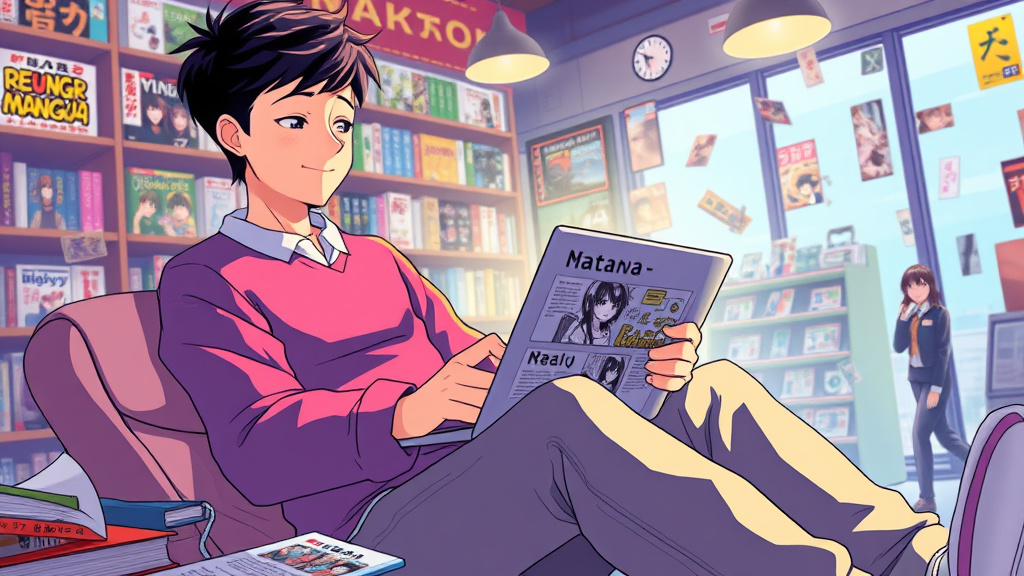
 Hình minh họa: manga anime series to read – manhwa books
Exploring the Diverse Genres Within Manhwa Literature
One of the most striking aspects of manhwa books is their incredible variety of genres, which ensures there’s something for every reader. Whether you’re into action-packed adventures, romantic comedies, psychological thrillers, or historical dramas, manhwa has it all. This genre diversity not only satisfies niche tastes but also encourages creative experimentation among authors, resulting in innovative storytelling styles and topics.
Moreover, the flexibility of the medium allows creators to blend genres seamlessly—such as combining fantasy with romance or mystery with supernatural elements—adding layers of complexity to the stories. This variety also reflects Korea’s rich cultural landscape, making manhwa books a valuable window into Korean society, beliefs, and values. Emerging writers and artists often push boundaries, challenging stereotypes and exploring contemporary themes that resonate universally, solidifying manhwa as a versatile literary form.
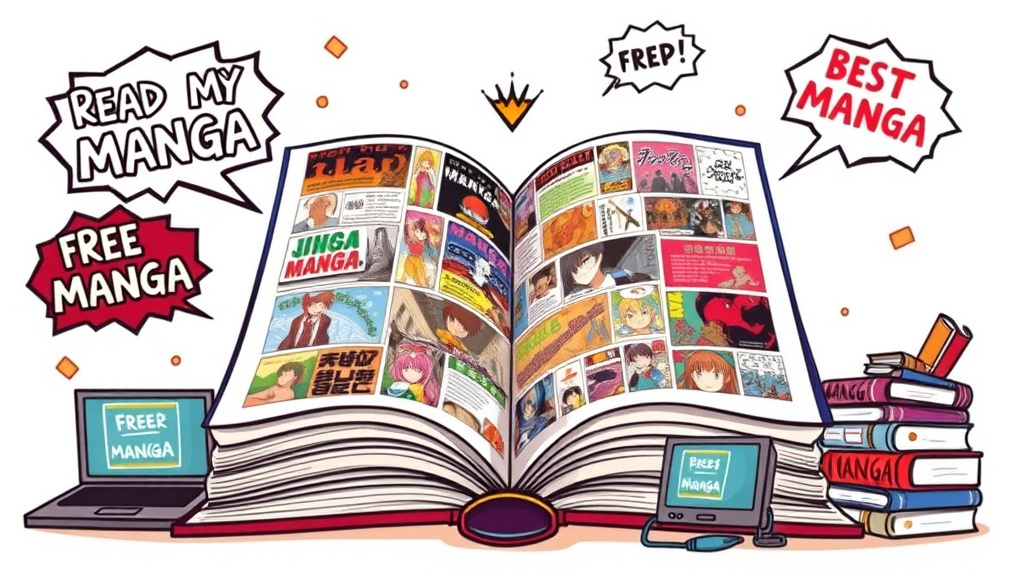
Manhwa vs. Manga: Understanding the Key Differences
While manhwa and manga are both popular forms of comics originating in East Asia, they have distinct differences rooted in their cultural origins, artistic conventions, and reading formats. Manhwa books often have a right-to-left reading direction, similar to manga, yet many contemporary creators have adopted left-to-right layouts for easier Western adaptation. The visual style also tends to feature cleaner lines and a more polished, sometimes more colorful aesthetic compared to traditional manga.
Culturally, manhwa frequently incorporates Korean cultural elements—such as societal norms, clothing, and cuisine—offering readers a richer context of Korea’s history and modern life. In contrast, manga tends to have a broader international influence but often retains more stylized character designs and storytelling conventions specific to Japanese manga tropes. Recognizing these differences enhances appreciation for each medium’s unique artistic identity and storytelling approach.
Must-Read Manhwa Books for Beginners: A Curated Selection
For those just starting their journey into manhwa books, selecting the right titles can be overwhelming due to the vast array of options. To help, a carefully curated list can provide a gentle yet comprehensive introduction. Titles like “Solo Leveling” offer thrilling action and exceptional artwork, making them popular choices for newcomers. Meanwhile, romantic stories such as “My Dear Cold Bodyguard” provide heartfelt narratives with relatable characters that draw beginners into the genre.
Additionally, classics like “The Breaker” combine martial arts with compelling character development, showcasing some of the best storytelling in manhwa. These selections serve as accessible gateways to the diverse world of manhwa books, allowing readers to discover their preferences while experiencing the richness of Korean comic storytelling. Exploring different genres within this curated list encourages a lifelong appreciation and curiosity for manhwa.
The Art and Style of Manhwa: A Visual Feast
The visual artistry of manhwa books is one of their most captivating features and an essential aspect that sets them apart from other comic forms. Artists skillfully utilize delicate linework, dynamic panel layouts, and expressive character designs to convey emotion and motion effectively. The style balances realism and stylization, often emphasizing facial expressions and detailed backgrounds, creating a deeply immersive experience.
What makes manhwa art extraordinary is its capacity to adapt to the tone and mood of the story. For instance, darker themes may be complemented by shadow-rich visuals, while lighthearted narratives burst with vibrant colors and playful character expressions. The integration of traditional Korean motifs, modern fashion, and imaginative worlds highlights the artists’ creative talents and cultural influences, making the art an integral part of storytelling in manhwa books.
Where to Find and Purchase Manhwa Books: A Comprehensive Guide
Acquiring manhwa books is easier today than ever before, thanks to a variety of online platforms, bookstores, and digital services. Major online retailers such as Amazon and Book Depository offer extensive collections, including both physical copies and e-books. Dedicated webtoon platforms like Lezhin, Tapas, and Webtoon provide free and paid access to countless titles, often accompanied by exclusive content. These platforms also serve as a launchpad for new creators, continuously expanding the range of available manhwa books.
Physical stores, especially those specializing in Asian media or comic books, remain excellent places to browse and purchase collections or single volumes. Many publishers, like Daum and Naver, also sell direct-to-consumer editions, ensuring accessibility globally. Additionally, fan communities and social media groups can offer recommendations, reviews, and information on regional releases or limited editions, fostering a vibrant community of manhwa enthusiasts.
The Impact of Webtoons on the Manhwa Book Industry
Webtoons have revolutionized the way manhwa books are produced, consumed, and marketed, making the genre more accessible than ever before. These digital comics often feature vertical scrolling, optimized for smartphones, which caters to modern reading habits and the on-the-go lifestyle. This innovative format allows creators to release chapters frequently, building a loyal reader base and creating a dynamic, evolving storytelling atmosphere.
The impact of webtoons extends beyond accessibility; they also inspire a new generation of artists and writers. Many successful webtoons are later compiled into physical manhwa books or adapted into other media. This synergy facilitates cross-media exposure, elevating the industry into different entertainment sectors such as animation, live-action, and merchandise. Ultimately, webtoons have opened up new avenues for creative expression and commercial growth within the manhwa community.
Top Manhwa Authors and Artists You Should Know
Within the dynamic manhwa industry, numerous talented authors and artists have made indelible contributions that have shaped the genre's landscape. Creators like Cho JungSup, the visionary behind “Solo Leveling,” have garnered international fame due to their compelling storytelling and stunning visuals. Equally influential is YongU, known for “Lookism,” which tackles social issues through engaging characters and gripping plots.
Understanding these key figures provides insight into the creative forces driving manhwa art. Many of these creators are highly active on social media, sharing their process and engaging with fans, fostering a sense of community. Exploring their works offers readers a deeper appreciation of the craftsmanship involved in producing manhwa books—an art form that balances storytelling, cultural expression, and artistic mastery.
Manhwa Books Adapted into Anime and Live-Action Series
The translation of popular manhwa books into anime and live-action series has significantly increased their visibility and appeal. Adaptations like “The God of High School,” and “True Beauty” have drawn massive audiences worldwide, often surpassing their original comic sales in popularity. These adaptations introduce the stories to wider audiences unfamiliar with the manhwa medium and help demonstrate its cinematic potential.
However, adaptations are a double-edged sword; while they elevate the source material, they can also attract criticism for diverging from the original narrative or artistic style. Yet, when executed well, they serve as powerful promotional tools that bring increased recognition to manhwa books. This synergy between comics and television or film fosters cross-media storytelling, helping the genre reach new heights and inspiring more creators to explore this vibrant industry.
The Future of Manhwa: Trends and Innovations in the Genre
Looking ahead, the future of manhwa books promises exciting innovations driven by technology, changing reader preferences, and cultural shifts. Artificial intelligence and digital art tools are already influencing the creation process, allowing artists to craft more detailed and dynamic visuals efficiently. Interactive storytelling and augmented reality may soon become part of the manhwa experience, creating immersive worlds that extend beyond static images.
Moreover, as the genre continues to evolve, themes will likely become more diverse and inclusive, reflecting global perspectives and contemporary issues. The international community’s influence will foster collaborations, language adaptations, and cultural exchanges that elevate manhwa on a global scale. It’s clear that manhwa books will continue to adapt and innovate, shaping the future of comic storytelling and entertainment.
Conclusion
Manhwa books are a vibrant, evolving art form now recognized worldwide for their remarkable storytelling, artistic beauty, and cultural depth. From their diverse genres to innovative digital formats like webtoons, they capture the imagination of readers across continents. As the industry grows through adaptations, technological advancements, and global collaboration, manhwa promises a bright future filled with creativity and influence. Whether you’re a beginner exploring this dynamic genre or a seasoned fan delving into its complexities, the world of manhwa books offers endless stories waiting to be discovered.